


An Unlikely Yet Inevitable Pair
There are two notable lab groups working in cultivated meat and alternative proteins: the David Kaplan Lab of Tufts University, and the David Block Lab of UC Davis. I collectively call them “The Davids.” Many of their publications overlap, they have served on advisory boards together, and they are generally professionally intertwined as two leading researchers in sustainable food.
They are not early career professionals, though the alternative protein field has only emerged as an exciting topic within my lifetime (<20 years). Before they were the Davids, David Kaplan was a biomedical tissue engineer, renowned for his research on bone regeneration using biomimetic scaffolding made from silk. David Block was an enologist, working to identify alcohol-tolerant yeast to make more desirable alcoholic beverages.
The two Davids started to converge on their research in the late 2010s, as they began to publish on topics including edible scaffolds and cultivated meat-specific low-cost media formulations; in other words, they are both taking technologies commonly used in medicine, and asking if they can apply them to the food system in a cheaper, more sustainable manner. This convergence has marked a very poetic, almost too much so, rebirth of cultivated meat research.
Not only do the two of them span the bookends of expertise needed to commercialize cultivated meat—David Block of fermentation and David Kaplan of tissue engineering— but they are also geographical bookends at their respective institutions.
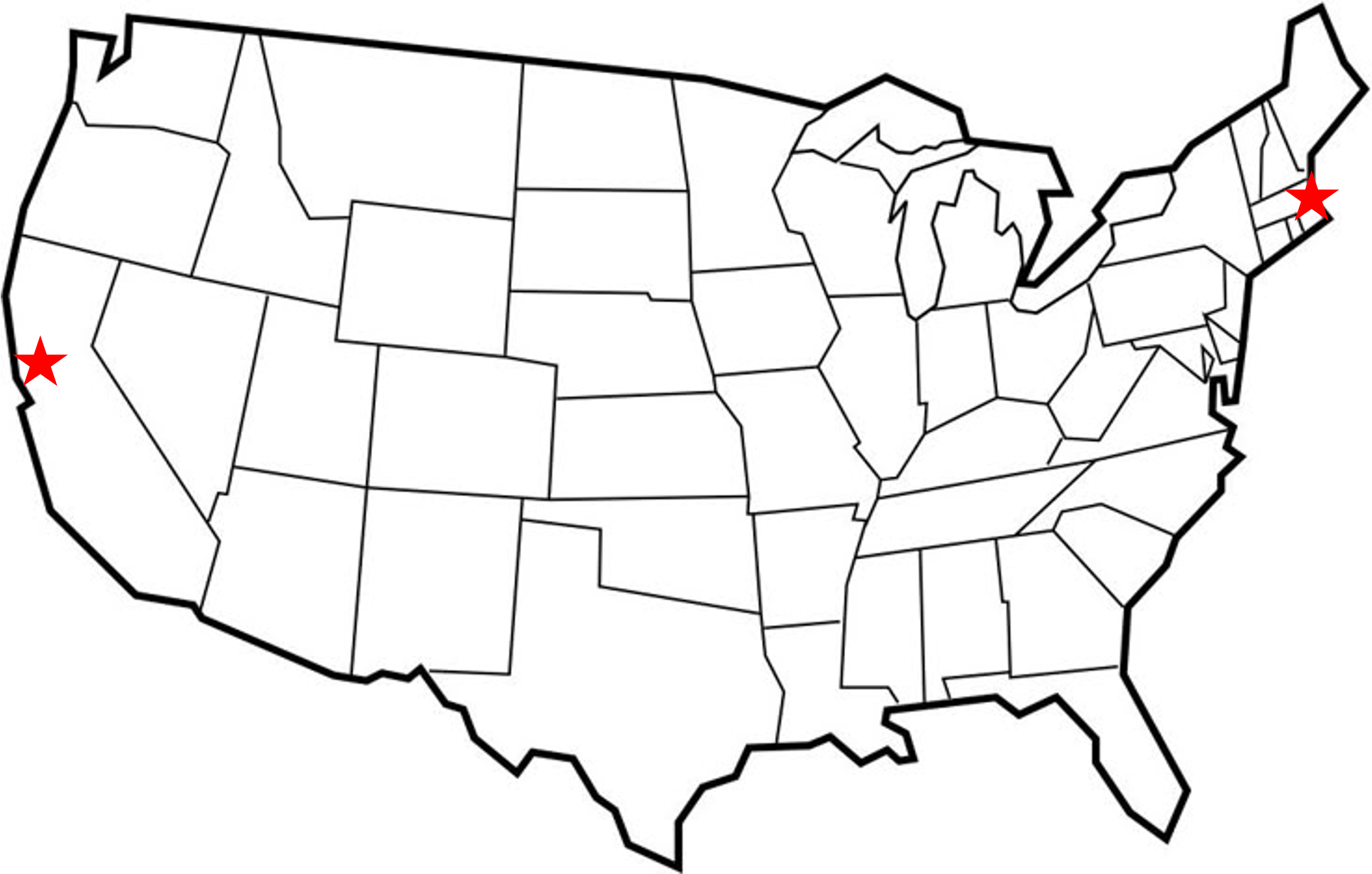
One David in the West, one David in the East.
Both joined their respective departments in 1996. In their publicly available faculty and Google Scholar profile pictures, both are wearing blue plaid button-down shirts. Both wear glasses. Both a little gray-haired from the years they have dedicated to pursuing science. Both engineers by training. These are trivial observations, but it all contributes to the image the two of them have somehow jointly created.


They are pillars of the field; I have many of their papers printed and annotated in my desk. They are people I aspire to meet and collaborate with, should time, resources, and willpower permit. Both have even founded large consortiums to advance sustainable food (David Kaplan with TUCCA, and David Block with iCAMP).
Aging Out
Because the Davids have a slight leg up on other alternative protein researchers due to their early start, they have gathered millions in funding, dozens of students and postdocs, and oodles of publications in high-impact journals like Nature. And what a privilege it is to have a deep pool of interested young researchers, institutions willing to fund projects, and journals willing to show off the work of these two labs. What’s more is they have each done their part in mentoring the next wave of alt protein researchers—Kaplan’s lab alone is over 50 people as of early 2025.
Their greatest pairwise contribution to the field is their willingness to take intellectual risks. In 2019 and 2020, cultivated meat was brand new to them and the rest of the world, but they took the plunge. Many probably told them it was foolish or thought the field wouldn’t become what it is today (and we aren’t out of the woods yet, but we know so much more in 2025 than we did in 2015). TUCCA and iCAMP have allocated millions in funding across the country and the world to advance sustainable food research and commercialization—that is a debt we can never fully repay.
But I worry for the future of our food system. The Davids are, unfortunately, going to age out of research quite soon; their already-long tenure at their respective institutions is not eternal. Even in retirement, they will continue to advise, motivate, and cheer on the rest of us in alt protein, but I could not possibly dream of a more fabled pair of leaders in my field than these two. I often think of who will replace them, whether I will still call them The Davids, whether the next pair of leaders will emerge out of complementary fields, and most of all, where I fit in. The esteem of being such a leader is alluring, but it comes with long travel days, high expectations, and probably very little rest.
What’s also troubling is the incentive to operate as a lone wolf; publishing, presenting, and patenting are activities we label as successful endeavors that contribute to the wealth of knowledge, but they can also be activities that isolate researchers from each other. Opportunities to be leaders in research are becoming more competitive as the standard of research gets higher.
And when The Davids are gone, it will be a race to the finish line to identify the next pair. I hope they leave the ladder down so the rest of us can continue to climb up.
I like your map. It really highlights the difference between the west and the east.